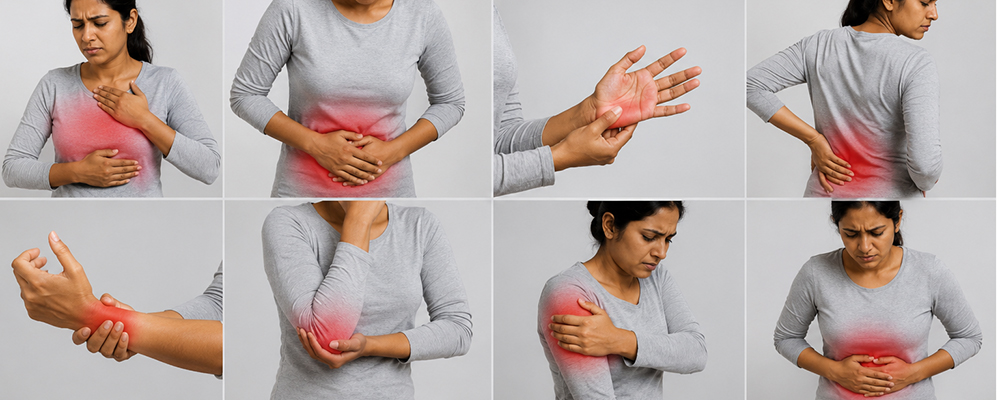
There are many things feared about a cancer diagnosis but pain is one of the most commonly under-addressed concerns. Many patients suffer without addressing their pain because they believe that pain is an expected part of the condition or that bringing up the issue is showing weakness.
What Is Cancer-Related Pain?
Cancer pain refers to all forms of pain that arise due to either the condition itself or as a result of cancer treatment, which can include chemotherapy, surgery, radiotherapy and other types of treatment.
It should be noted here that pain intensity cannot serve as an accurate predictor of the stage of the illness since many patients who have the cancer in its early stages have a lot of pain while some others whose cancer is more advanced may have minimal or no pain at all. What pain guarantees is that there must be proper evaluation and treatment.
What Causes Cancer Pain?
Finding the cause of the pain is the first stage because it dictates the kind of treatment needed, as different kinds of pain require for different approaches.
One of the most frequent sources is the pressure the tumor exerts on the surrounding tissue. A tumor may press against nearby bones, blood vessels, organs or nerves as it grows, resulting in a deep, persistent pain or pressure.
Bone metastases cause a very characteristic pain that is aggravated by weight-bearing and movement and is usually localized to one tender spot. This is one of the harder types of pain and is usually treated using a mixture of painkillers, bone-targeted medications and sometimes radiation therapy aimed at the painful area.
Pain is different for each treatment modality:
- Surgery causes acute post-operative pain that needs active management.
- Chemotherapy drugs such as platinum compounds frequently cause peripheral neuropathy a burning, tingling or shooting pain in the hands and feet which does not respond to regular pain medications.
- Radiation may also cause irritation of skin and mucous membranes and therefore should be treated in a different way.
- Sudden or worsening pain as a result of infection or inflammation both made more likely by treatment-related immune suppression can also occur and needs prompt medical attention.
How Does Cancer Pain Feel?
Cancer pain does not present the same way in every patient. Some common ways are the following:
Tell your doctor about your pain if it impacts your ability to sleep, eat, move around or affects you emotionally. Pain that interferes with your life is untreatable cancer pain.
How Is Cancer Pain Assessed and Treated?
The method used by Dr Sneha includes a comprehensive medical assessment, which means more than merely assessing the pain level numerically. It involves considering pain location, description, factors that trigger it, effect on daily functioning and previous experience of treatment of the problem.
Pain Medication
Medication forms the basis of cancer pain management, following WHO pain guidelines starting with non-opioid analgesics for mild pain, moving to opioids if necessary. Neuropathic pain requires medications like gabapentin, pregabalin or low-dose duloxetine, which are more effective than usual pain medications.
Fears about opioids such as addiction, sedation, being prescribed powerful medicine are common among Indian cancer patients and their families. Dr Sneha addresses these directly, when opioids are used for true cancer pain at adequate doses under professional supervision, these fears are unjustified.
Interventional Procedures
In cases where pain is difficult to manage using medications, intervention procedures such as nerve blocks, administration of drugs through an epidural catheter and bone lesion stabilization procedures are recommended. This is because they provide local treatment which medications alone cannot provide.
Palliative Care
The inclusion of palliative care as part of an overall strategy from diagnosis offers symptom management along with active treatment of the disease. Palliative care is not for end-of-life on the contrary, it ensures the provision of optimal quality of life throughout the course of the illness.
Supportive Services
Psychological therapy, physiotherapy and exercise programs offer supplementary treatment for pain management.
Consult a cancer pain specialist in Hyderabad
Cancer treatment doesn't have to be painful. It can be managed with the right assessment and the right plan and quality of life can truly be maintained on the journey.
Dr Sneha at Medicover Cancer Institute, HITEC City, Hyderabad offers a complete, evidence-based cancer pain assessment and management approach as part of integrated cancer care. Patients are encouraged to speak out about their pain at each visit openly, directly and without apology.
FAQs
Does pain from cancer indicate a worsening of the disease?
Not always, since cancer pain can be caused by the position of the tumor, side effects of cancer treatment, inflammatory reactions and infection. It is important that pain in itself does not signal any development of the disease, it should be properly assessed so that the best solution can be provided.
Is cancer pain manageable?
Mostly, yes. The vast majority of people with cancer pain get their condition under control using appropriate pain management techniques for cancer patients. They might involve various types of treatment, including medications, cancer treatments, support therapy and palliative care.
When do I need to see a doctor about cancer pain?
Anytime you experience difficulty falling asleep, eating, moving or performing certain actions because of pain and particularly when it starts bothering your usual activities and lifestyle.
Are opioids safe for cancer pain treatment?
Yes, if prescribed by and under the observation of a professional oncologist. Opioids are usually prescribed for moderate or severe cases of cancer pain and can be very useful. Dosages will be adjusted by your doctor to ensure that you feel comfortable.
What is the difference between cancer pain and treatment-related pain?
The pain associated with cancer is a direct result of tumor compression of neighboring tissues, nerves, bones or even internal organs. Pain due to the treatment of cancer appears following a surgery, chemo or radiation treatment.