Evidence-based nutritional care designed to help patients maintain strength, tolerate treatment better, recover faster and improve overall quality of life throughout the cancer journey.
Onconutrition is a specialised nutritional support for cancer patients that takes into account the needs of chemotherapy, surgery and healing rather than maintaining normal health. At Medicover Cancer Institute, Hyderabad, it is built into every patient's care plan.
The nutritional advice most cancer patients receive comes in the form of a brief pamphlet. Eat well. Stay hydrated. Attempt to keep your weight to a normal level. It is not that it is exactly wrong. When the body is under the strain of cancer treatment, general advice like this falls well short.
Cancer changes the body's relationship with food and many people including many healthcare providers, do not fully understand this. The disease disrupts metabolism. Treatment interferes with digestion, taste and appetite. When nutrition breaks down, the body tolerates treatment less effectively, the risk of infection rises and recovery takes longer. Onconutrition exists because cancer patients deserve a personalised nutrition plan built around their specific medical situation.
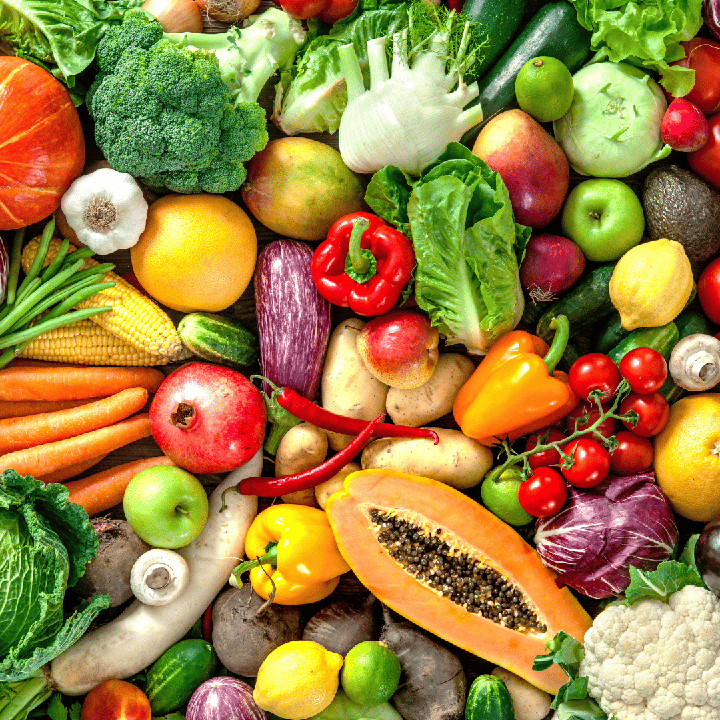
Nutritional care is not separate from cancer treatment. It is an essential part of helping patients maintain strength, tolerate therapy and recover successfully.
Nutritional status touches every outcome that matters in cancer care. Treatment completion rates, infection frequency, quality of life scores and in certain cancer types even survival, all of these are measurably better in patients who maintain good nutrition through treatment.
A key reason is cachexia, a condition where cancer disrupts the body's metabolism causing it to burn through muscle and fat at a rate that eating alone cannot match. It cannot just be fixed with an increase in your food intake. Specific nutrition strategies specific to the mechanism are needed. There is also chemotherapy with its side effects of nausea, changes in taste, mouth sores and appetite, which creates eating a true challenge and can all be controlled with the proper care.
The starting point is a detailed history of the patient's present nutritional status including previous weight history, rate of weight change, present food intake, food tolerances and intolerances, dietary sensitivities, cultural eating habits, what is practical to prepare at home and any other existing health conditions. Based on this, Dr Sneha and the oncology team members will create a nutrition strategy that truly fits into their patient's lifestyle. The plan is designed around familiar foods that are accessible to patients from the Telugu, Tamil or Hindi speaking communities, foods that are not unfamiliar such as rice-based foods, lentils, curries, regional vegetables. Instead of Western frameworks, all of them have to do with the patients traditional diet.
The plan is designed around foods that are accessible and familiar to Telugu, Tamil and Hindi-speaking communities, including rice-based foods, lentils, curries and regional vegetables.
While undergoing treatment, priority is given to weight maintenance, controlling side effects and keeping protein consumption high enough to sustain immune function and overall strength. After treatment, the emphasis is on building muscle and restoring digestive health.
All the common problems can be managed. Small, frequent, cool meals help with nausea. Soft, non-acidic foods ease mouth sores. A metallic taste from medication can be countered with specific seasonings and alternative protein sources. When early satiety is an issue, small portions of calorie-rich foods become the most effective way to maintain adequate intake.
Nutrition after treatment ends is something most people underestimate entirely. When the body emerges from cancer therapy, it needs to heal itself from the impact of cancer treatment over several months. In cases of hormone-sensitive cancers like breast and endometrial cancer, the food intake after therapy carries great significance. Studies indicate that eating in a way that reduces inflammation and hormonal load within the body lowers the chances of developing a recurrence.
Do whatever you can, make it as nutritious as possible. Three small meals at regular intervals, rich in protein and easily digested are better than three big meals that cannot be completed. Eggs, curd, dal, soft paneer and bananas are good choices to start with.
This happens very often and needs to be addressed early, loss of appetite, if left unmanaged, leads to muscle loss that is very difficult to regain during treatment. What tends to help is choosing calorie-dense , fluid-rich foods, eating small amounts of protein every couple of hours and in some situations, medication to stimulate appetite.
Yes. Some agents can interact with grapefruit or with certain herbal teas. Foods that have not been restricted can be a source of infection if a person's immunity is low. Which drugs you are on will determine the restrictions you will have so generalized advice online is not safe.
Glucose is required for cancer cells and all other cells of your body such as your brain and immune system. While eliminating all carbs will not cause cancer, it can starve you of the energy that you need to tolerate treatment. The evidence-based balanced, low-glycemic pattern is proven. Severe restriction during treatment is not.
Onconutration is a part of the care pathway at Medicover Cancer Institute, HITEC City, Hyderabad. It is also possible to elevate it straight in any consultation or contact the hospital directly.